









Your Travel Experience with Argentinien Pro
Day 1
Arrival on Baltra island
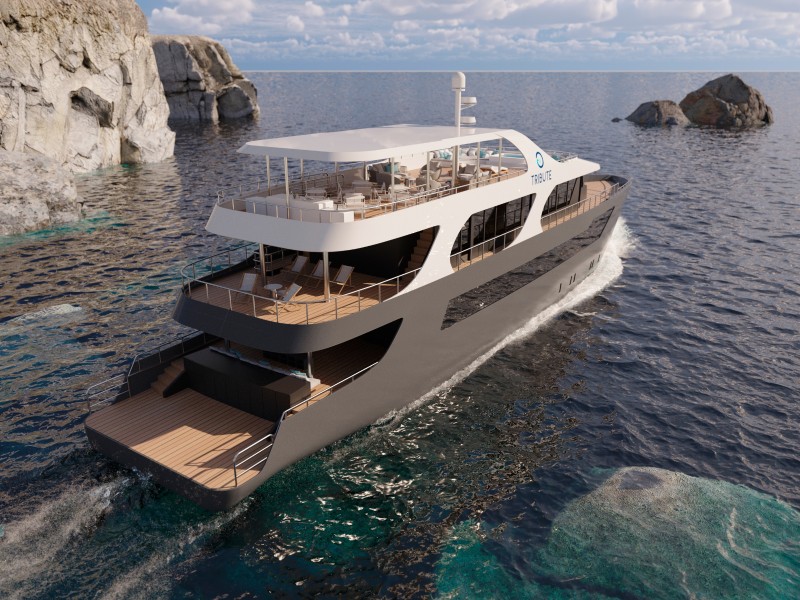
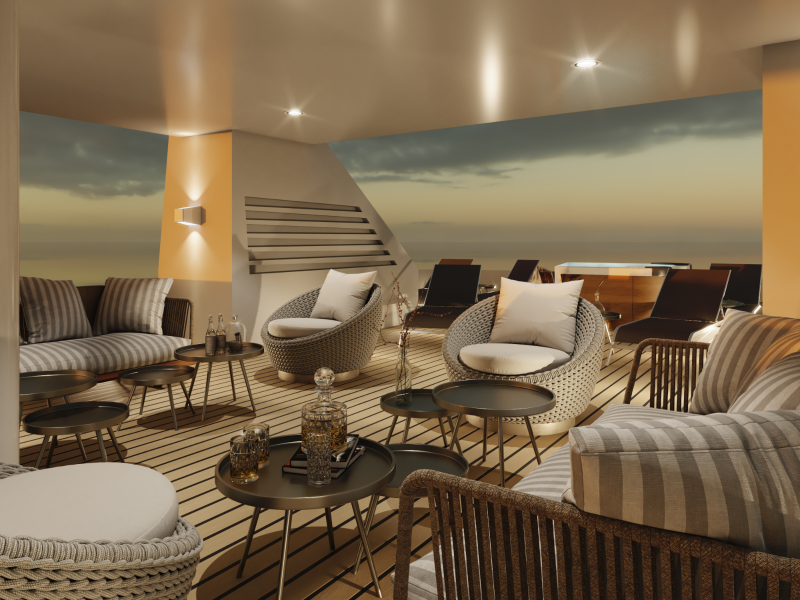
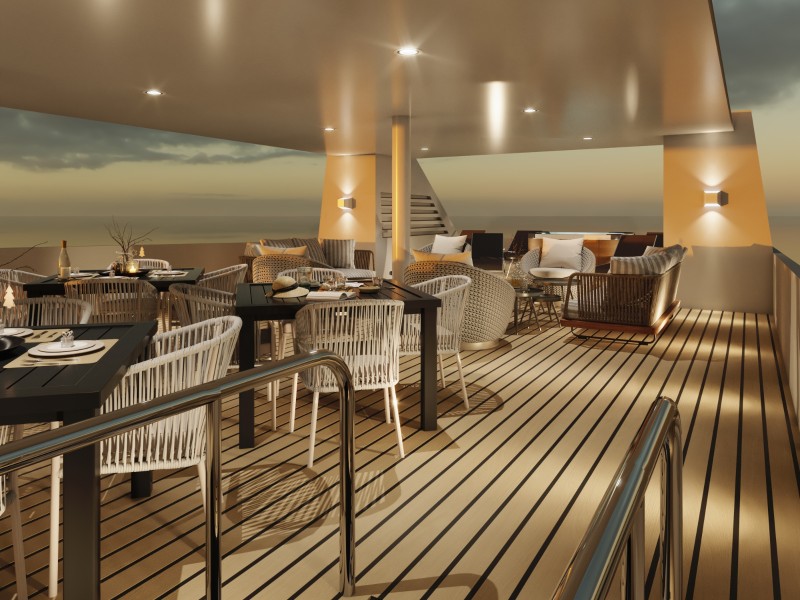
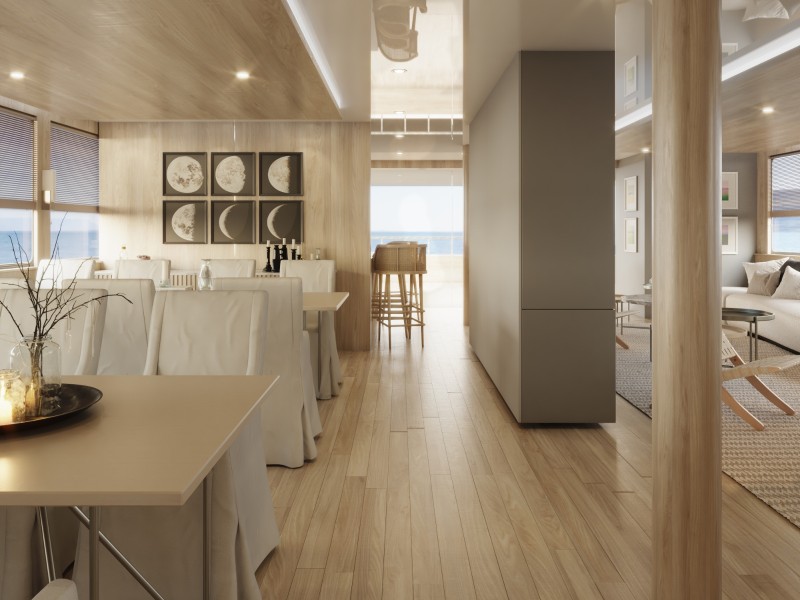
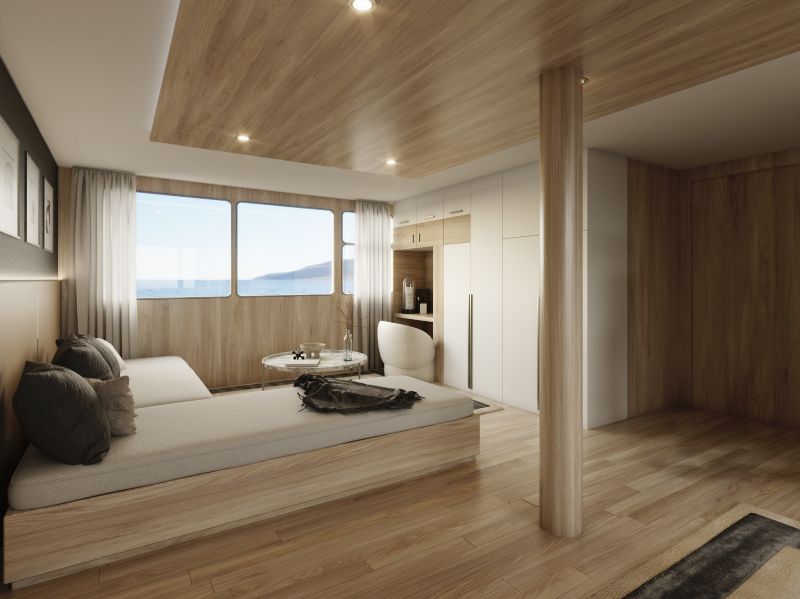
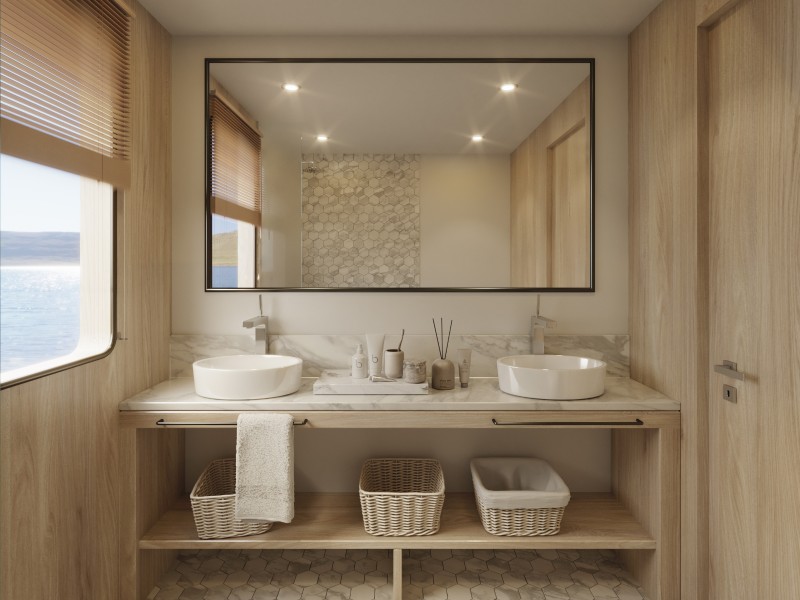
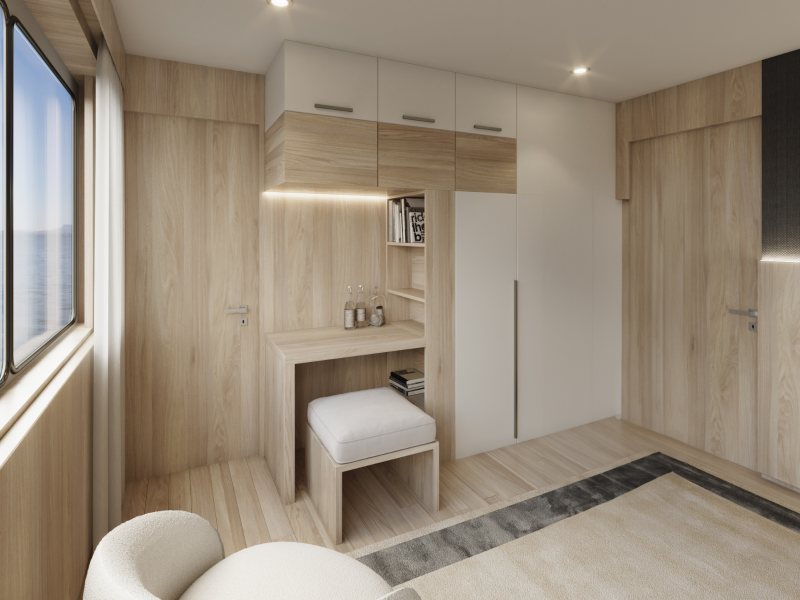
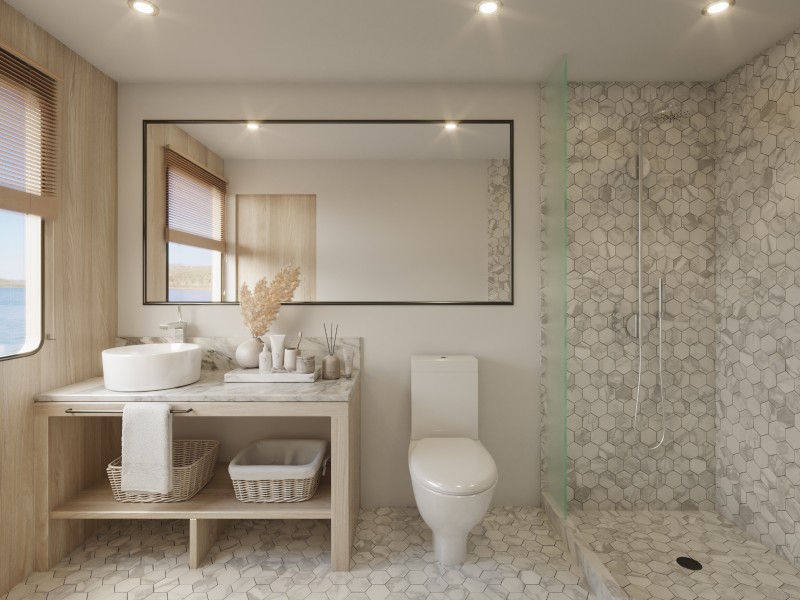
You will arrive on Baltra in the morning where your Crew will greet you and your guide will bring you to the boat. You will be informed about the coming days and get a chance to get to know the boat and your cabin.
Highlands, Santa Cruz island
Afternoon: As you venture into Santa Cruz's higher altitude areas, you will notice the changes in the vegetation as the climate becomes wetter and warmer. The earth in the upper altitudes is rich in minerals. Coffee plantations and fruit orchards line the streets. Here you can observe the famous Galapagos giant tortoises in the wild, using the new knowledge you gained at Charles Darwin Station in the morning. The Scalesia forests in this area offer the opportunity to discover endemic species of the Galapagos Islands, as well as giant cacti and a variety of deciduous trees and edible fruits. Here you can also visit the twin 'craters' Los Gemelos. While they are not craters in the technical sense, these 70-meter vertical gullies with a carpet of lush vegetation are an impressive sight to behold.
Day 2
Las Tintoreras & Sierra Negra, Isabela island
Morning: Just off the harbour of Puerto Villamil, on the largest island of Isabela, a group of islands juts out of the ocean. The jagged black formations, dotted with mangroves and candelabra cacti, are the remains of a lava flow that entered the ocean thousands of years ago. It has since been eroded by the waves and today a collapsed lava tube forms a channel that fills during high tide and closes off the channel during low tide. Marine life is retained in the channel, including the spectacular whitetip reef sharks (called "tintoreras" in Spanish). This species of shark is quite common in the archipelago and is usually spotted snorkeling on the seabed while they rest from their nightly hunts. But at this unique location, you can observe the various animals in the crystal-clear, turquoise waters from the comfort of the shore. Sometimes you can see turtles and elegant white-spotted eagle rays or golden rays gliding through the calm channel, as well as smaller fish and Galapagos sea lions. The rocky coastline with its tidal habitat also attracts red cliff crabs, lava herons and Galapagos penguins.
Sierra Negra is the third highest volcano on Isabela Island and the fifth highest in the Galapagos. (1124 m). It erupted a total of 7 times in the 20th century, most recently in October 2005. It is the only volcano on Isabela whose crater region is open to tourism. A half-day hike through the cloud forests brings you to a viewpoint on the rim of the crater and offers fantastic views into the caldera (clear weather required, although unpredictable; thanks to prevailing winds, most clouds dissipate at the viewpoint). The caldera measures about 7 x 9 km and is the largest in the archipelago. A somewhat muddy path along the rim takes you through an evergreen cloud forest that exists only in the highlands of the main islands. The dense and rich vegetation includes ferns, tree ferns and endemic scalesias, laden with epiphytes such as lichens, orchids, and bromeliads. The mist and drizzle - frequent in the cool Garúa season (June-December) - adds to the mysterious atmosphere. Along the way, you may also spot striking songbirds such as the vermilion finch, the golden warbler, and the woodpecker finch (among six other species of Darwin's finches); this species hammers branches like a woodpecker and uses twigs as tools to catch insects!
Tortoise breeding center, Isabela island
Afternoon: After a short walk from the port town of Puerto Villamil, you will reach the Arnaldo Tupiza Interpretation and Breeding Center for Tortoises. A wooden walkway leads to the center and through the impressive surrounding wetlands, which are a wonder in themselves. At the center, you can see five different species of tortoises! They are all endemic to Isabela Island, but various influences, such as volcanic eruptions and imported animals, have destroyed their natural habitat. Here at the turtle breeding center, the eggs are protected and incubated in warmth, while the adult turtles spend their time outside on the huge property. This program was created to increase the turtle population again, as they are an important part of the island's ecology.
Day 3
Punta Moreno, Isabela island
Morning: Punta Moreno is a rugged young lava bay. At first it appears to be a lifeless landscape, however as you walk over the cooled lava, you'll see new green areas and lagoons hosting a wide variety of birds. Marine iguanas and lava lizards are usually found in the lagoons, where you'll often meet flamingos foraging here for their favourite meal. While the sharp rocks make this hike a little tricky, its path itself is easy enough to be enjoyed by everyone and provides an unforgettable landscape set against a backdrop of the volcanoes Sierra Negra and Cerro Azul. We recommend bringing plenty of water during this visit, as the lava field reflects the sun making the temperature higher than average. Don't forget to apply sunscreen!
Punta Espinoza, Fernandina island
Afternoon: As one of the youngest islands, formed around 700,000 years ago, Fernandina is also the only island that has not been colonised by mammals or other species apart from endemic ones, making it one of the few untouched ecosystems in the world. The volcano “La Cumbre” last erupted in 2005 and dominates the landscape with lava fields stretching to the ocean. The highlight of the island is the nesting site of the unique flightless cormorant. In addition, here in the north of the island, you have the chance to see Galapagos sea lions, marine iguanas, and some Galapagos penguins. With a little luck, you may also see a Galapagos hawk circling above your head in the sky.
Day 4
Tagus Cove, Isabela island
Morning: You will take an excursion to the infamous Tagus Cove - a favorite anchorage of pirates and whalers for centuries. The deep blue cove is home to breeding penguins, flightless cormorants, noddy terns, shearwaters and blue-footed boobies. A steep trail through dry balsam tree forests and cacti leads to a salty, green crater lake (Laguna Darwin). Sea turtles and marine lizards appreciate the food-rich bay, making it ideal for snorkeling despite the abundance of green algae.
Punta Vicente Roca. Isabela island
Afternoon: The sea-horse-shaped island of Isabela is the largest of the archipelago and the most volcanically active. Punta Vicente Roca is considered one of the most impressive and spectacular places of the enchanted Galapagos Islands with high cliffs and tuffstone giving this area a majestic feel. While you explore the two coves and the large bay with spectacular sea life, keep an eye out for seahorses, sea turtles, and the weird and wonderful mola-mola, also known as sunfish. In good condition, Punta Vicente Roca is considered one of the best snorkelling sites in the Galapagos.
Day 5
Bartolomé island
Morning: One of the most popular destinations for visitors to the Galapagos Islands, Bartolomé is known for its double beach. The popular photo motif can be admired from a platform that can be reached via a path from the beach. The path leads upwards for just under a kilometre with many erected wooden steps, but rest assured that the climb is worth it. From here, you not only have a great view of the double beach, but also of Pinnacle Rock, which rises 120 metres into the air. You can also see Sullivan Bay, the small island of Daphne Major and Daphne Minor. On your way back, observe the different rock formations formed by the lava, such as tufa cones or various rocks. The island is also a good example of how the environment adapts to its circumstances. Look out for the plants that grow here, they may look like they have no leaves, but on closer inspection, you can see little white hair that reflects the light so that the plant can store water. On the beach, you then have the opportunity to snorkel in underwater caves and meet sharks, rays and tropical fish. With a bit of luck, you might even see a penguin or two swimming by.
Sullivan Bay, Santiago island
Afternoon: To the east of Santiago Island, you will reach the white coral beach of Sullivan Bay. Although this beach deserves your full attention, the day will surprise you with another highlight: Santiago's cooled lava blanket. Almost 100 years ago, lava flows covered the island here, leaving behind diverse ground shapes: braided and thread-like lava fields alternate with sharp-edged, jagged formations. Feel the warm stones of the black, unreal lava landscape under your hands and transport yourself back to a time when volcanoes raged here, ultimately creating a paradise.
Day 6
Cerro Dragón, Santa Cruz island
Morning: Dragon Mountain represents a great success in the history of the maintenance and protection of the nature of the Galapagos Islands. By 1975, almost all the land lizards of Dragon Mountain were extinct, as introduced dogs hunted them and drastically decimated their numbers. With the Galapagos breeding program, the population could be increased again and already in 1991, the last captive-born land lizard was released into the wild. Since then, the breeding stations have been controlling populations and trying to restore and support the species' population as best they can. But not only does the mountain have a lot to offer, already the coast is already impressive! The rocky beach is a beautiful place to get to know the underwater world and see rays, sharks, and green sea turtles. At the foot of the mountain, you will pass two saltwater lagoons where you may see a flamingo or two, and you may also encounter Darwin's finches and mockingbirds during the short hike up.
North Seymour island
Afternoon: The small island of North Seymour is one of the most diverse islands in the Galapagos archipelago. It is only about two square kilometers in size and is above all known for the intensive courtship rituals of many magnificent frigatebirds, taking place here during mating season. The island is also home to large colonies of land iguanas, marine iguanas, and sea lions. The characteristic bush landscape features diverse species of animals amongst the aromatic endemic balsa trees.
Day 7
Las Bachas, Santa Cruz island
Morning: On the north side of Santa Cruz, you will land on Bachas’s beach - one of the most important nesting sites for the Galapagos Islands’ Sea turtle population. A hidden lagoon behind the bay reveals a treasure trove of animal sightings - sunbathing iguanas, curious shorebirds, and Darwin finches, mockingbirds, and seagulls frolic here. Native plant life is also interesting in this area. Red and black mangroves and salt bushes line the edges of the pond. In this heavenly place, you will also find the remains of barges that sank long ago when the US Navy operated a base on the island of Baltra during the Second World War. Local people changed the word Barges to "Bachas".
Depature on Baltra island
You will return to the harbor of Baltra. From there, transfer to Baltra Airport in time for your return flight to the mainland or continue with your planned route through the Galapagos.